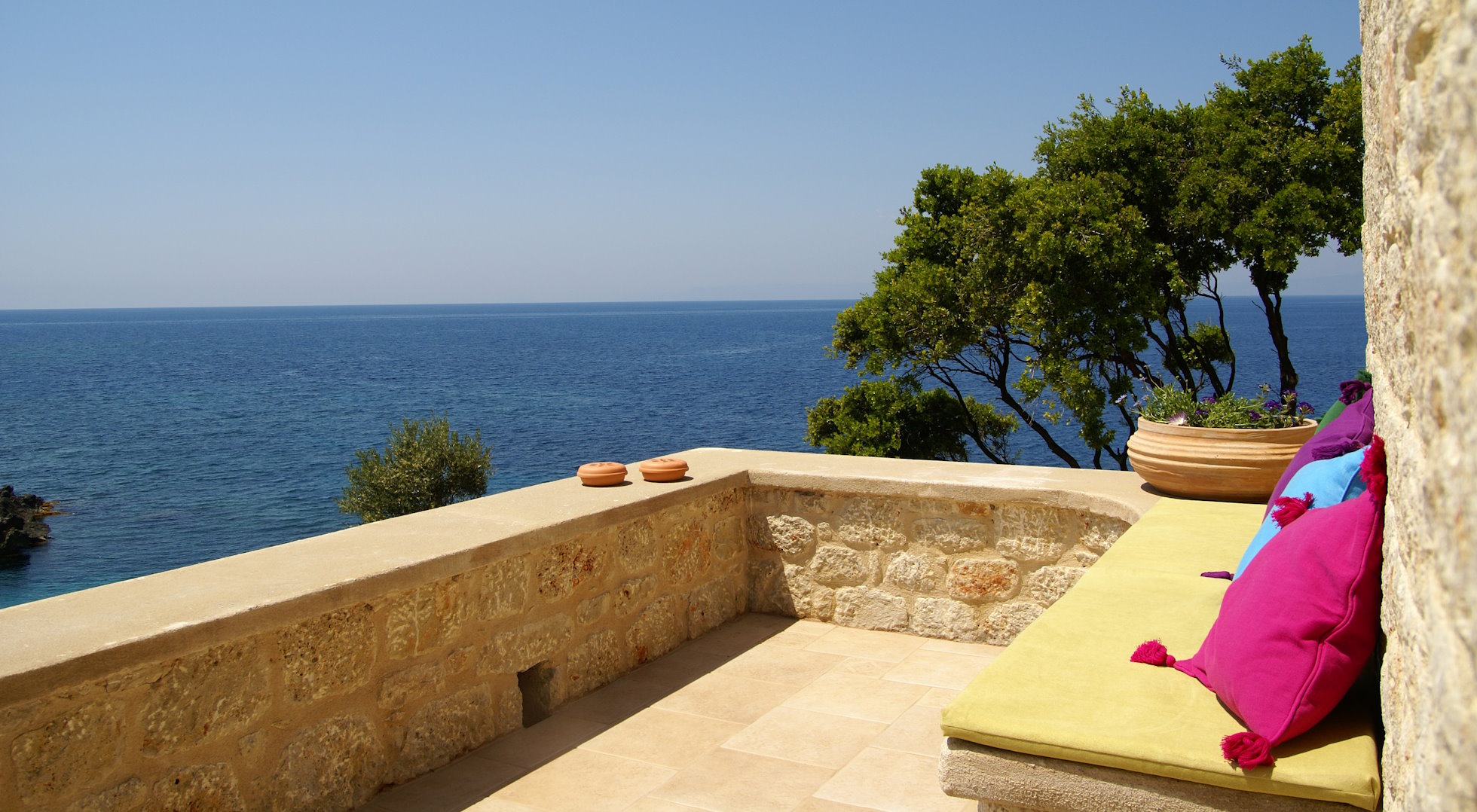
Relax, explore and feel at home in the heart of authentic Greece.
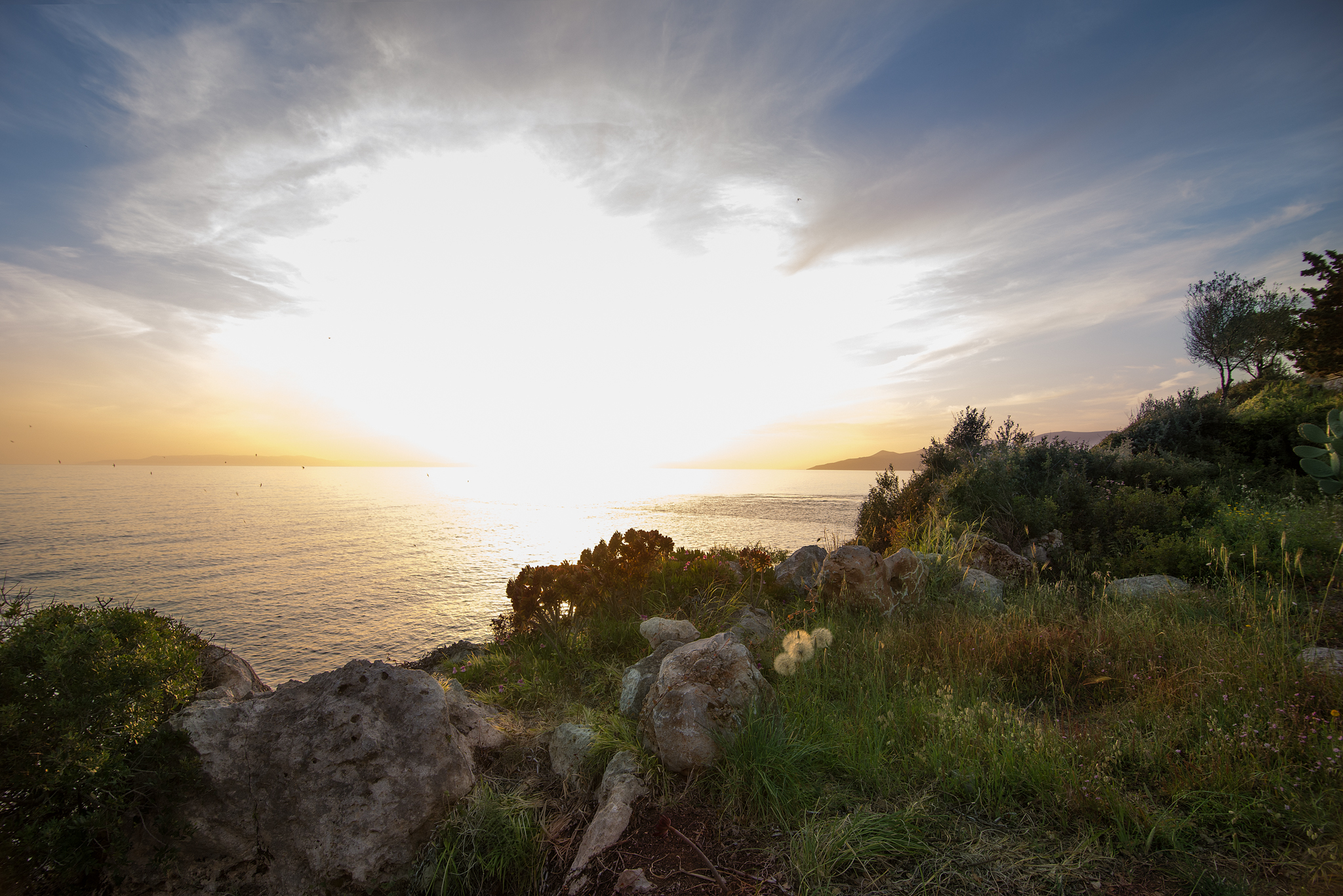
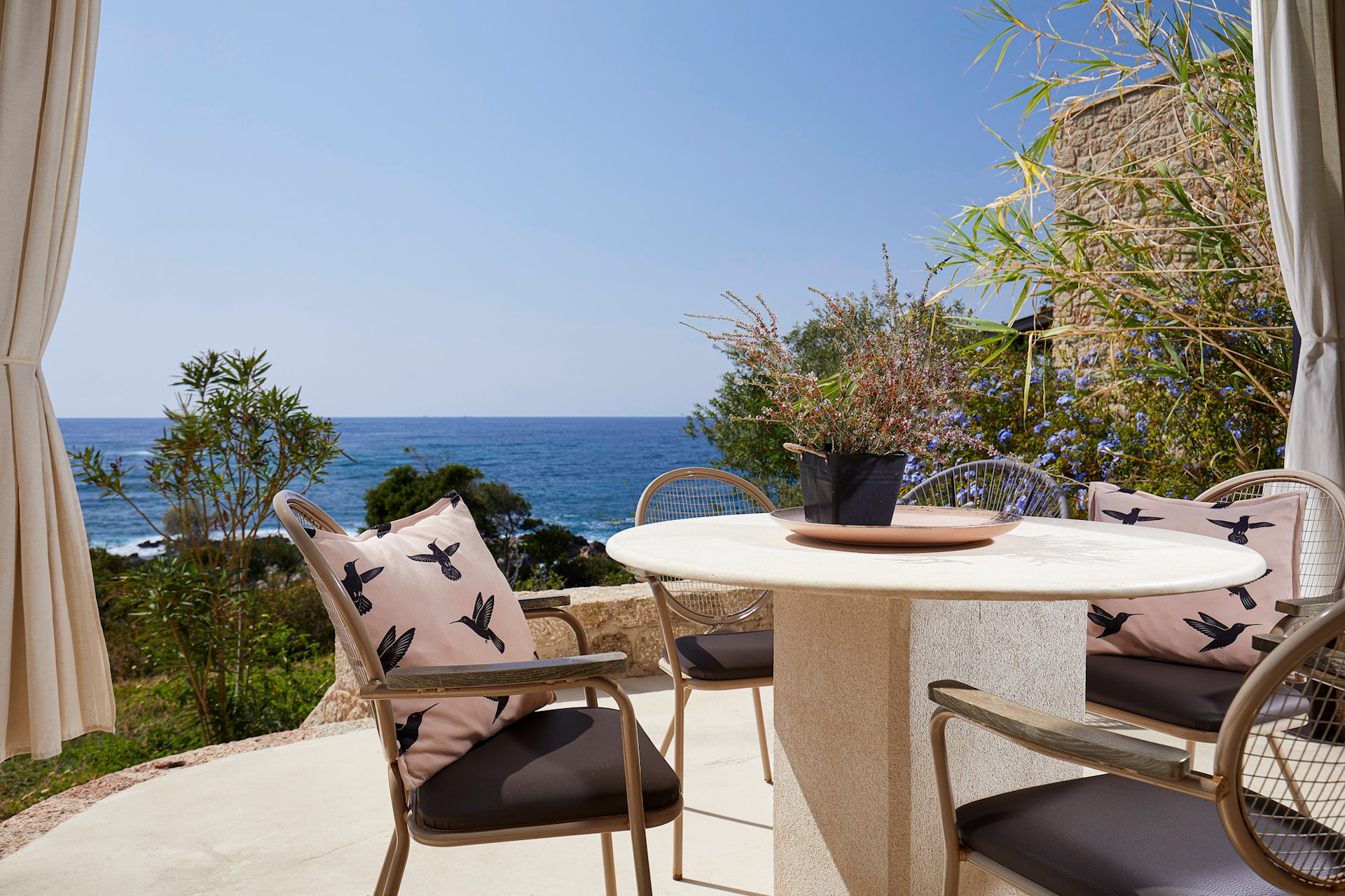
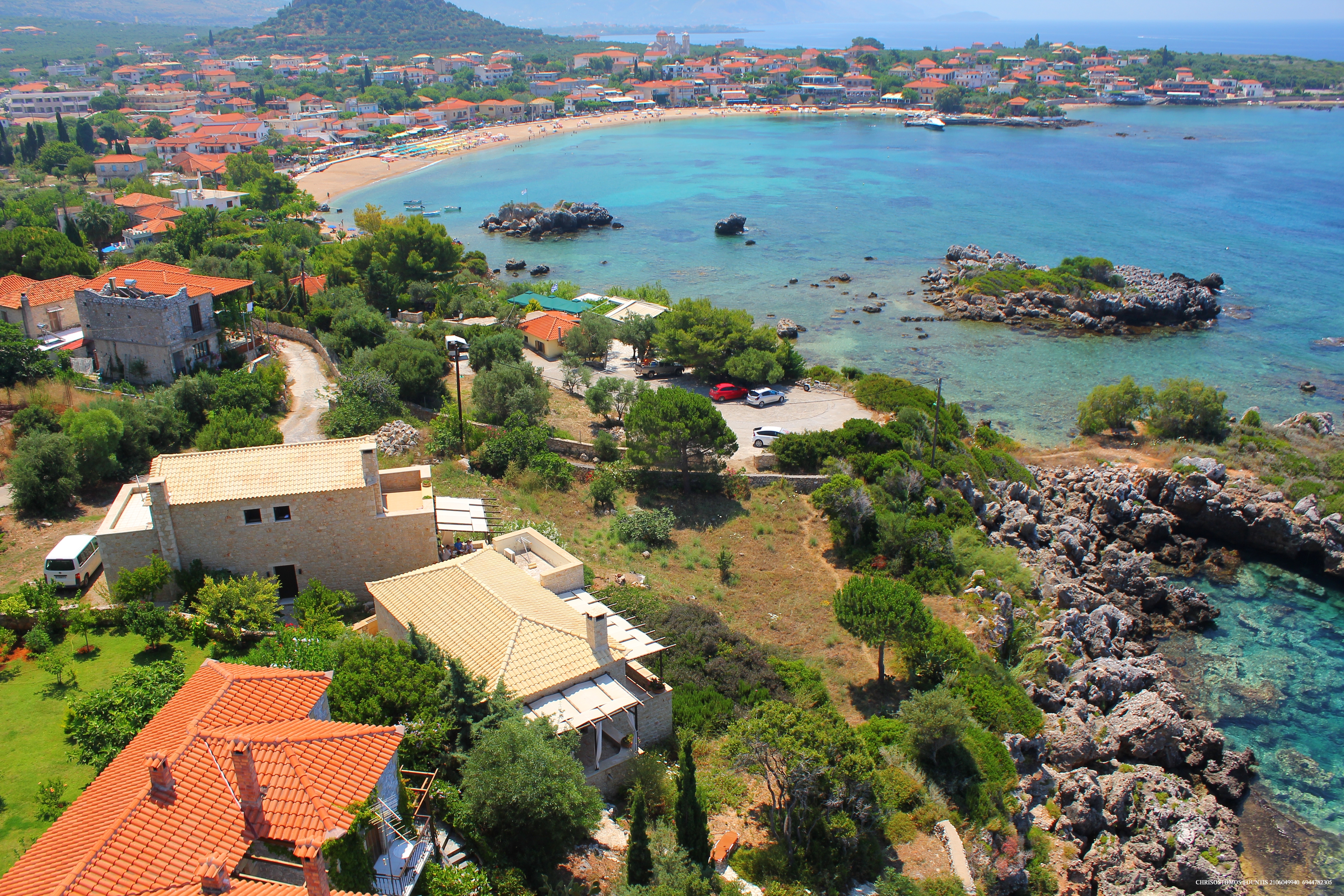
Nestled on the north side of Stoupa Bay, Pelagia Villas blend traditional stone architecture with breathtaking sea views. Perched on gentle cliffs above the sparkling Gulf of Messinia, our villas offer a serene retreat just a short stroll from Stoupa’s sandy beaches, tavernas, and charming village life.
Whether you seek peaceful relaxation or inspiring adventure, Pelagia Villas are the perfect starting point to explore the treasures of the Peloponnese—from the ancient sites of Olympia and Mystras to the dramatic Diros Caves and the rugged beauty of the Mani Peninsula.
“To have the stars above you, the land to your left, the sea to your right, and suddenly in your heart life reaches its supreme wonder: it becomes a fairy tale.”
Nikos Kazantzakis
Our Villas
Pelagia Nest
1 bedroom
2 bathrooms
kitchen/living area
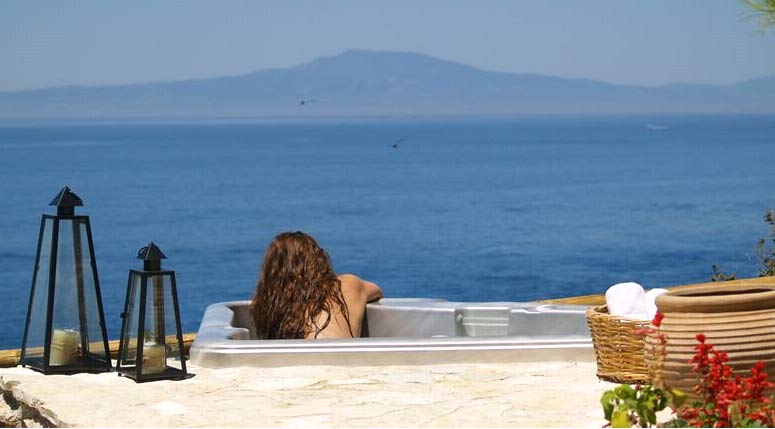
outdoor hydromassage
superb sea vies
sleeps 2 people
DETAILSPelagia Friends
3 bedrooms
3 bathrooms
kitchen/living area
outdoor hydromassage
superb sea vies
sleeps 6 people
DETAILS*
DETAILSPelagia Couple
1 bedroom
2 bathrooms
kitchen/living area
outdoor hydromassage
superb sea vies
sleeps 2 people
DETAILS*
DETAILSDESTINATION
Village of Stoupa
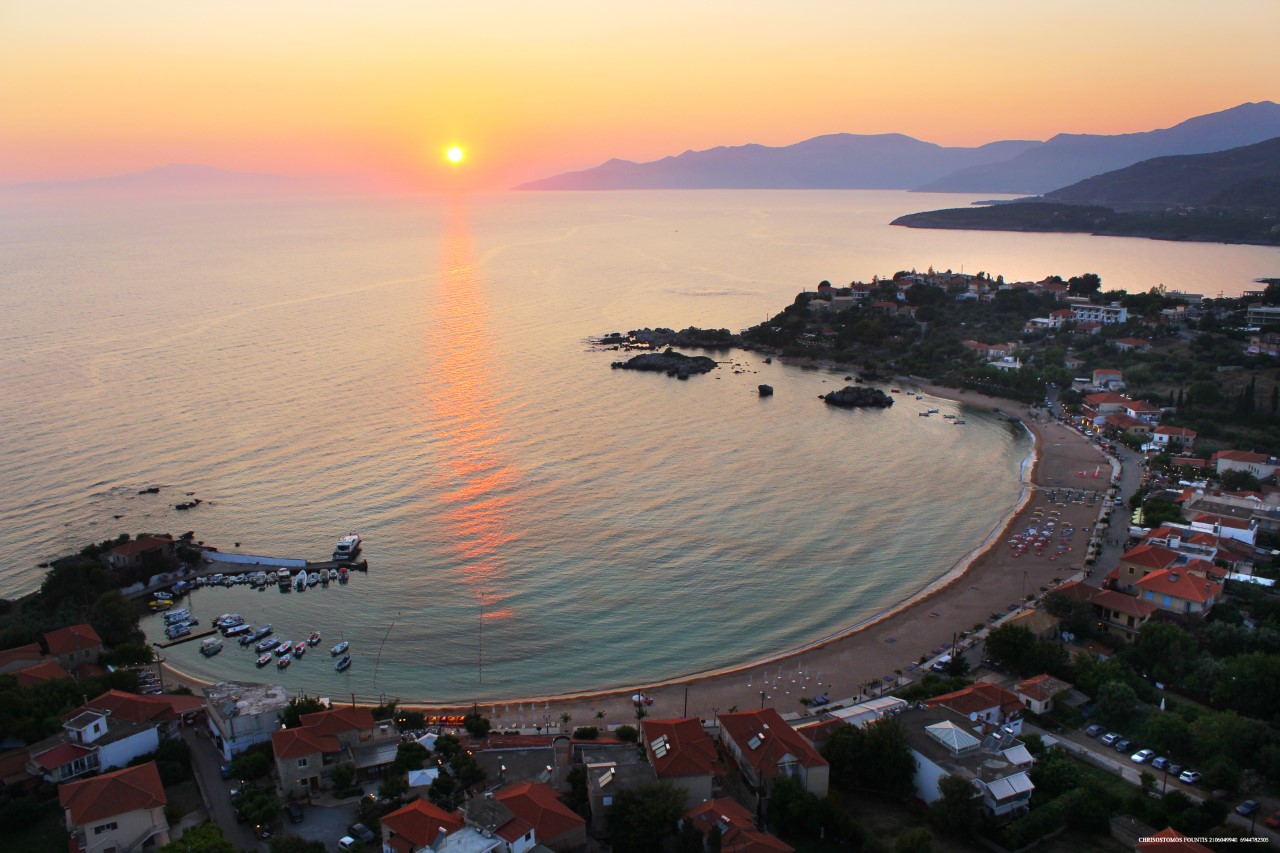
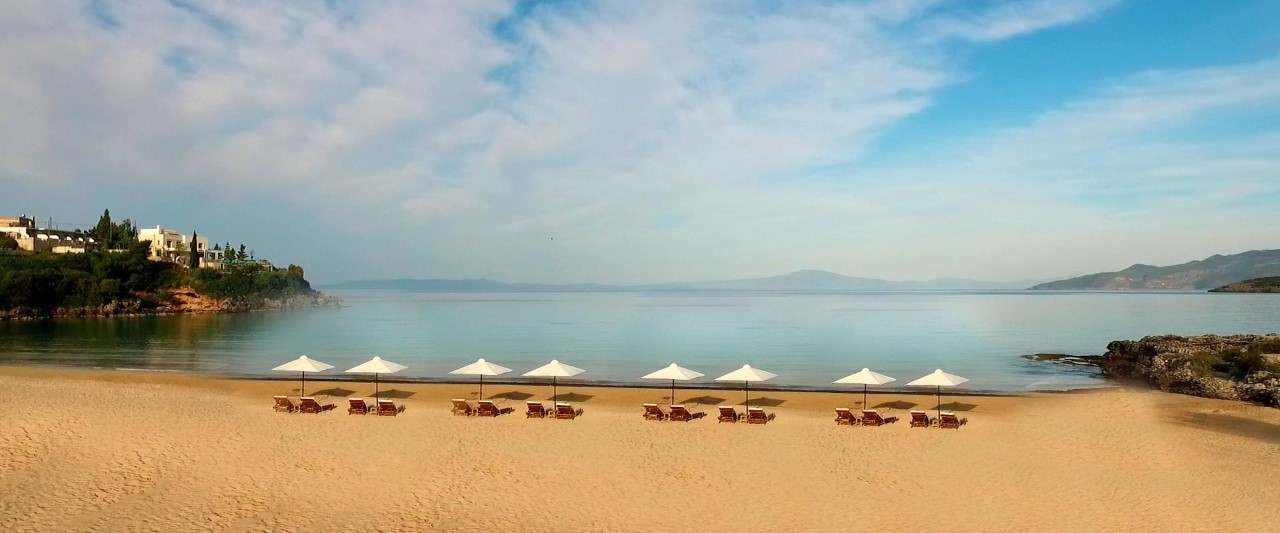
Stoupa has two beautiful sandy beaches, Stoupa Bay and Kalogria. Sheltered by the dramatic backdrop of the Taygetos mountain range, Stoupa enjoys a microclimate that is among the warmest in Europe. Fresh water flowing underground is released offshore and keeps the water cool and clean for bathers.
There are several excellent tavernas in Stoupa serving traditional Greek fare based on our wonderful local produce, as well as coffee bars, gift shops, supermarkets, cash dispensers and a chemist. There are two doctor’s surgeries in Stoupa, and a 24 hour clinic in Agios Nikolaos (4 kms away) plus a local dentist.
Car Hire, Bicycle Rental and excursions by coach are all available from local agents in Stoupa. There is a PADI approved dive school based on Kalogria and visitors can join local residents on organised walks, or simply explore the wonderful landscape at your own pace.
Stoupa is ideally placed for exploring many places of classical and historic interest such as Ancient Olympia, Byzantine Mystras, Monemvasia, Mount Ithomi and of course the spectacular Diros caves and the wild Mani Peninsula. With short, mild winters, the Mani is perfect for off-season walking, cycling or motoring holidays. In November and December you can enjoy the buzz of the olive harvest going on around you, while writers and artists are drawn to Stoupa all year round.
Village of Stoupa
Stoupa has two beautiful sandy beaches, Stoupa Bay and Kalogria. Sheltered by the dramatic backdrop of the Taygetos mountain range, Stoupa enjoys a microclimate that is among the warmest in Europe. Fresh water flowing underground is released offshore and keeps the water cool and clean for bathers.
There are several excellent tavernas in Stoupa serving traditional Greek fare based on our wonderful local produce, as well as coffee bars, gift shops, supermarkets, cash dispensers and a chemist. There are two doctor’s surgeries in Stoupa, and a 24 hour clinic in Agios Nikolaos (4 kms away) plus a local dentist.
Car Hire, Bicycle Rental and excursions by coach are all available from local agents in Stoupa. There is a PADI approved dive school based on Kalogria and visitors can join local residents on organised walks, or simply explore the wonderful landscape at your own pace.
Stoupa is ideally placed for exploring many places of classical and historic interest such as Ancient Olympia, Byzantine Mystras, Monemvasia, Mount Ithomi and of course the spectacular Diros caves and the wild Mani Peninsula. With short, mild winters, the Mani is perfect for off-season walking, cycling or motoring holidays. In November and December you can enjoy the buzz of the olive harvest going on around you, while writers and artists are drawn to Stoupa all year round.
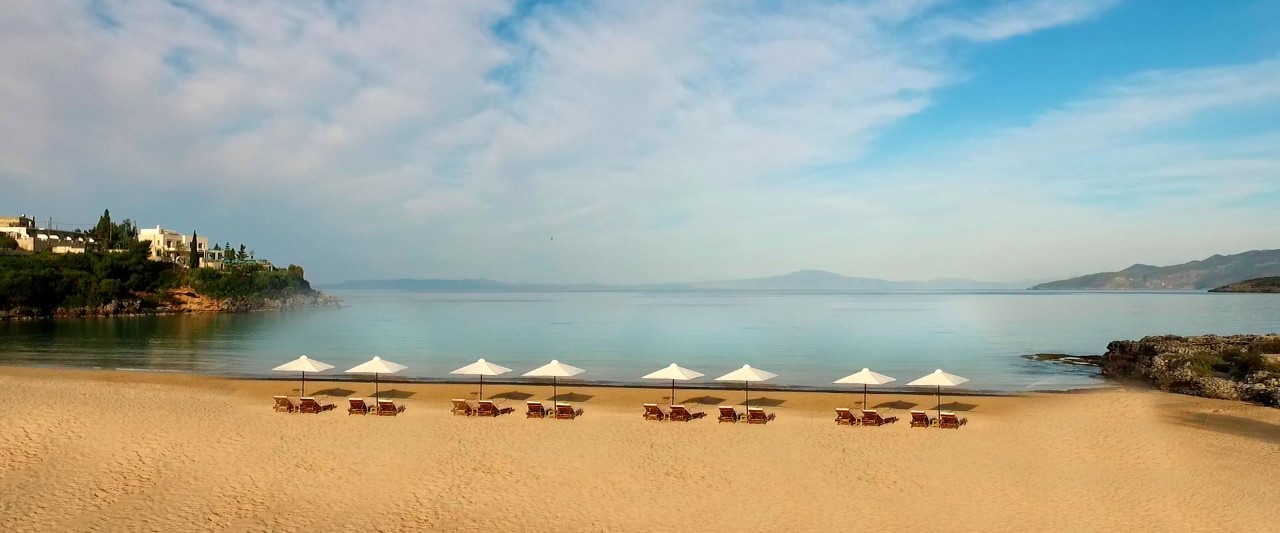
Kalogria Beach
In 1917, a little-known writer called Nikos Kazantzakis arrived in Stoupa from CreteIn 1917, a little-known writer called Nikos Kazantzakis arrived in Stoupa from Crete and established a small lignite mining business in the cliffs behind Stoupa. He recruited an engineer from northern Greece to help him and so Giorgos Zorbas came to Stoupa - and a legend was born.
Zorbas was an almost "larger than life" character. At work he was inventive and imaginative and at leisure he was irrepressible, spontaneous and fond of a drink! There were no roads, so the lignite had to be taken from Stoupa by boat but it was also difficult to get it from the mine to the coast using pack-mules and donkeys, so Zorbas devised a fantastic cable and rail system to do the work.
In 1946, Kazantzakis, by now an established and respected author, published his best-known novel Zorba the Greek and the film was released in 1964.
All over the world, people were enthralled with the man who epitomized the quintessential Greek character and more than anything else, they were fascinated by his exuberance -- especially in the scene where he is compelled by his nature to dance on the beach. This scene, together with the music of Mikis Theodorakis, became the icon of what it means to be "Greek".
Although the book and film were both set in Crete, the inspiration and real-life Zorba experience took place in Stoupa.
Kalogria Beach and Zorbas
In 1917, a little-known writer called Nikos Kazantzakis arrived in Stoupa from CreteIn 1917, a little-known writer called Nikos Kazantzakis arrived in Stoupa from Crete and established a small lignite mining business in the cliffs behind Stoupa. He recruited an engineer from northern Greece to help him and so Giorgos Zorbas came to Stoupa - and a legend was born.
Zorbas was an almost "larger than life" character. At work he was inventive and imaginative and at leisure he was irrepressible, spontaneous and fond of a drink! There were no roads, so the lignite had to be taken from Stoupa by boat but it was also difficult to get it from the mine to the coast using pack-mules and donkeys, so Zorbas devised a fantastic cable and rail system to do the work.
In 1946, Kazantzakis, by now an established and respected author, published his best-known novel "Zorba the Greek" and the film was released in 1964.
All over the world, people were enthralled with the man who epitomized the quintessential Greek character and more than anything else, they were fascinated by his exuberance -- especially in the scene where he is compelled by his nature to dance on the beach. This scene, together with the music of Mikis Theodorakis, became the icon of what it means to be "Greek".
Although the book and film were both set in Crete, the inspiration and real-life Zorba experience took place in Stoupa.
History
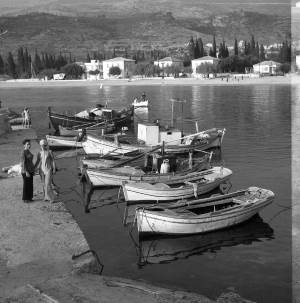 Stoupa was known in ancient times as Lefktra and this name survives as Stoupa was known in ancient times as Lefktra and this name survives as Lefktron, the village immediately behind Stoupa. Pausanias called here on his travels and recorded that There is a stone statue of "Asklepios" and elsewhere of Ino. There is also a shrine and statue of "Priam" daughter Kassandra, locally called Alexandra and there are wooden idols of Karneian Apollo exactly according to the traditions of the Lakonians of Sparta. On the Acropolis is a sanctuary of Athena with a statue and there are a shrine and sacred grove of "Eros at Lefktra“.
The acropolis is now called the Kastro (castle) after the fortress built there by William de Villehardouin in 1252 following the conquest of the Peloponnese by the Franks. It was called Beaufort but
very little remains to be seen except for a few walls and the remains of a tower on the summit. The castle was also called "Yisterna" which means cistern and there is a large cistern on the summit.
The Museum in Kalamata displays a small, carved marble head of Athena which was found here. From this time on, the History of Stoupa parallels that of the rest of Exo Mani. There are very few old houses in Stoupa but that is not surprising because of attacks by the Turks and pirates, nobody would have lived so close to the sea shore and they would have concentrated further inland at Lefktron where there used to be some tower houses.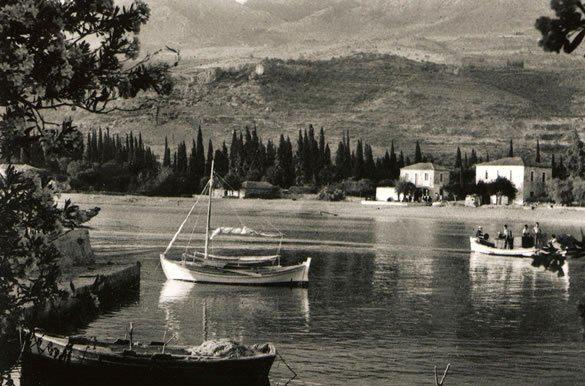
Stoupa itself would not have developed until after the Greek War of Independence when it would be deemed safer to live on the shore and even now it is little more than a village because the population during the winter is very small compared to summer.
Mani peninsula
Here, up to the Mani Mountains
Came ancient Spartans and
Now these people are called Maniots
To save their honor and freedom
They built cities up in the mountains
And lots of villages.
(Nifakos, poet)
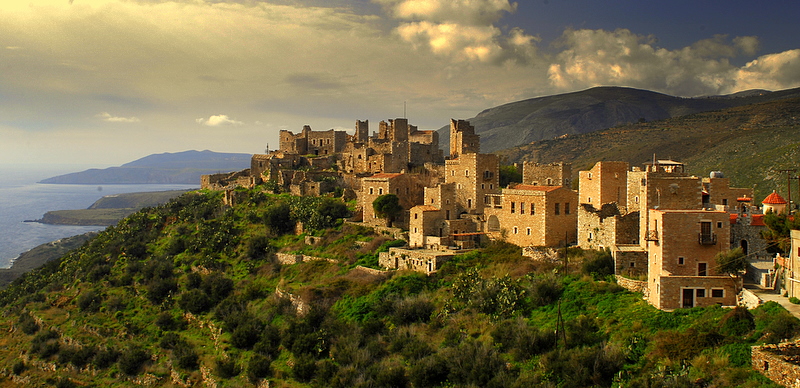
The Mani is a facinating destination that blends senic beauty with tradition and history. Situated in the middle promontory of Southern Peloponesse it includes parts from both perfectures of Laconia and Messinia. It is one of the most traditional regions of Greece encompassing 800 towers, more than 1000 byzantine and post byzantine churches, 8 castles, 98 of the 118 traditional villages in Peloponesse and more than 100 caves including Diros caves, the finest in Greece.
The climatological conditions contributes to the growth of olive trees and som of the best olive oils are produced here.
The Mani has an extensive classical history which is attested to by Homer in “The Iliad” and Pausanias in his “Guide to Greece” during the Roman Period. However, it was after the collapse of the Byzantine Empire that The Maniats acquired a reputation as ferocious and fearless fighters. The Ottoman Empire now dominated most of Greece but the Maniats resisted occupation and their proud “tower villages” stand as a tribute to those Spartan descendants who refused to bow down to the Turkish Sultan.
In 1821 a truce was arranged between all the feuding families and they united in a concerted effort to fight the Turks in the Greek War of Independence. They attacked the Turkish Garrison at Kalamata and secured the first victory of the war which eventually liberated Greece after hundreds of years of foreign occupation.
Very popular are Vathia, Diros caves and cape Tainaron. Take time to explore further and you will find a whole lot more!
One needs 3 days just to cross Mani, 3 months to wander around it and 3 lives to understand its soul.
One life will be spend to investigate its sea, one to get its mountains and one to get to know its people
CONSIOUSNESS
Sustainable Living by the Sea: Our Philosophy

At our three seafront villas, sustainability is not just a concept—it’s a way of life. Nestled along the stunning coastline, our properties are designed to offer guests a memorable experience while prioritizing harmony with the environment. We believe that every choice we make can contribute to preserving the natural beauty of Mani for generations to come.
Eco-Friendly Gardens: A Natural Harmony
Our villas are embraced by a sun-kissed landscape where nature thrives on its own terms. Featuring indigenous plants that flourish in the Mediterranean climate, these gardens require minimal to no watering, conserving one of our planet’s most precious resources. By avoiding fertilizers and chemicals, we keep the soil unpolluted and create a sanctuary for local wildlife, proving that beauty and resilience can go hand in hand.
The air is rich with the earthy aroma of olive wood, the sweetness of fig trees, and the crisp, resinous scent of cypress carried on the coastal breeze from the Messinian Bay.
In summer, the blonde hues of native grasses shimmer under the Mediterranean sun, painting a scene of warmth and stillness. But this is not a dry or barren landscape—at the first touch of autumn rain, the earth awakens, and fresh green shoots emerge, revealing the deep-rooted vitality of nature. The endless cycle of renewal unfolds effortlessly, reminding us that true beauty is not static but ever-changing, just like the land itself.
By embracing nature’s wisdom, our gardens offer more than just a picturesque view—they invite a deeper connection to the landscape.
Eco-Friendly Gardens: A Natural Harmony
Our villas are embraced by a sun-kissed landscape where nature thrives on its own terms. Featuring indigenous plants that flourish in the Mediterranean climate, these gardens require minimal to no watering, conserving one of our planet’s most precious resources. By avoiding fertilizers and chemicals, we keep the soil unpolluted and create a sanctuary for local wildlife, proving that beauty and resilience can go hand in hand.
The air is rich with the earthy aroma of olive wood, the sweetness of fig trees, and the crisp, resinous scent of cypress carried on the coastal breeze from the Messinian Bay.
In summer, the blonde hues of native grasses shimmer under the Mediterranean sun, painting a scene of warmth and stillness. But this is not a dry or barren landscape—at the first touch of autumn rain, the earth awakens, and fresh green shoots emerge, revealing the deep-rooted vitality of nature. The endless cycle of renewal unfolds effortlessly, reminding us that true beauty is not static but ever-changing, just like the land itself.
Simpler, Greener Stays
No Pools, Just the Sea: Instead of energy-intensive swimming pools, we encourage you to enjoy the pristine waters of the Mediterranean, just steps away. hot tubs and hydromassage tubs can be a more sustainable alternative to swimming pools, especially if solar-powered, well-maintained, and used efficiently. They reduce water waste, energy consumption, and chemical use, making them a good option for eco-conscious accommodations.
Eco-Friendly Amenities: Our villas are equipped with refillable soap and shampoo dispensers to reduce single-use plastic waste.
- Linen Changes: To conserve water and energy, bed linens and towels are changed only upon request or every few days, striking a balance between
- Solar-Powered Water Heating: Our villas use solar panels to heat water efficiently, reducing reliance on electricity
Car-Free Convenience
Our villas are strategically located within easy walking distance of Stoupa’s sandy beaches, charming tavernas, shops, and amenities. This means you can leave your car parked or even skip renting one altogether. Walking not only reduces your carbon footprint but also allows you to immerse yourself in the village’s authentic charm while minimizing traffic and noise pollution in the area.